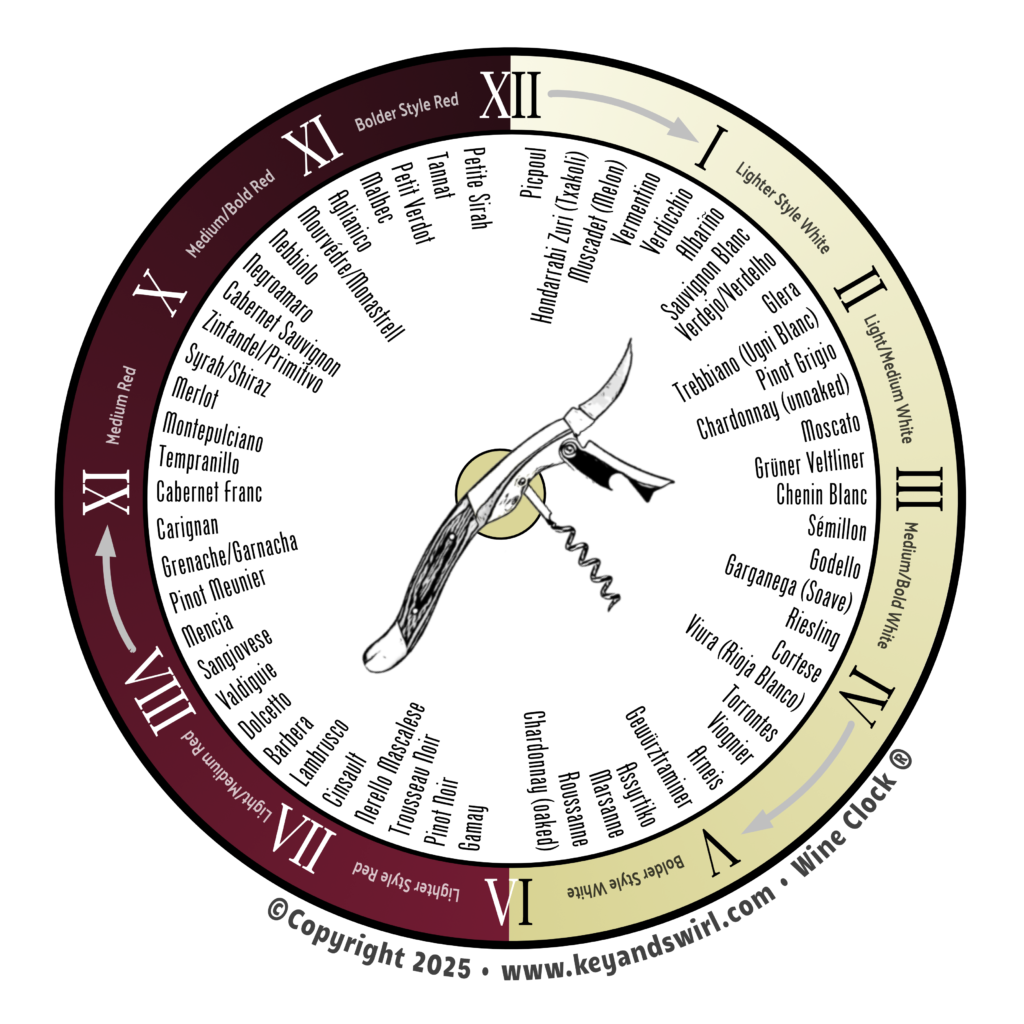
The Wine Clock is a tool to help you better understand and communicate about wine. The clock doesn’t rate the day, it tells you what part of the day you are experiencing. There are so many different varietals, so many different regions and so many different styles, having a framework to identify what is in the bottle before you pull the cork is a valuable tool for wine drinkers.
On Wine Bros Uncorked We will often use the wine clock to identify a wine we’re drinking to better communicate about the wine for viewers.
It doesn’t rate, it identifies The Wine Clock was not built to identify a wine as “good” or “bad.” (We do not need another rating system.) This is a tool to identify a type and style of wine for better understanding, dialogue and sharing.
STRUCTURE The clock is organized with white wines from 12:01 – 5:59 and red wines from 6:01 – 11:59. Wine varietals are placed on the clock from lightest to boldest using their typical and most common stylistic expression.
GOAL Help wine drinkers better assess what their palate likes and doesn’t like as well as learn more about different wines when you explore.
REASON Once a wine is identified as white or red, the clock helps identify the boldness of that wine. Not all red wines are like Cabernet and not all white wines are like Chardonnay. The clock helps identify the typical expression of a wine with a very light style on one end of the spectrum and a very bold style at the other.
PROCESS Find the wine you are interested in and note it’s place on the clock. That placement indicates the most likely style of that wine. Next, compare other wines to develop an understanding of lighter wines vs bolder wines. [Cabernet Franc is 9:00 and Malbec is past 11:00.]
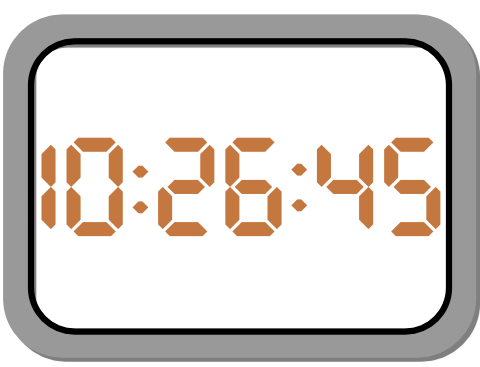
THE DIGITAL CLOCK The digital clock expands the number of wine variables described from only the varietal in the analog clock to a deeper description of 4 other characteristic represented in the digital clock.
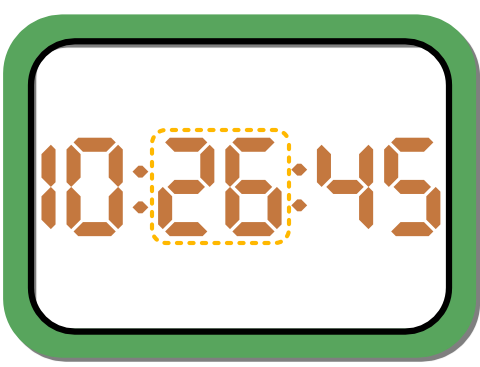
Let’s add some depth; not minutes but two separate wine characteristics. • The tens place represents the vessel used to age the wine. • The ones place represents amount of alcohol (ABV) in the wine.
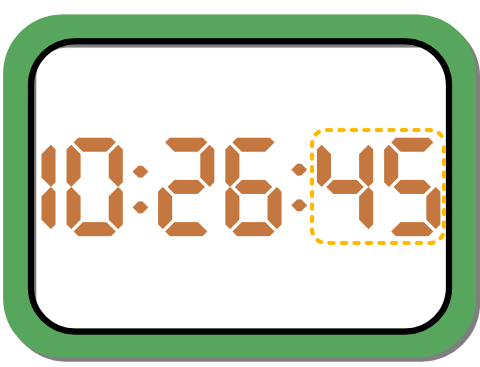
Let’s dig deeper; not seconds but two more wine characteristics. • The tens place represents the wine’s acidity. • The ones place represents the wine’s tannins.